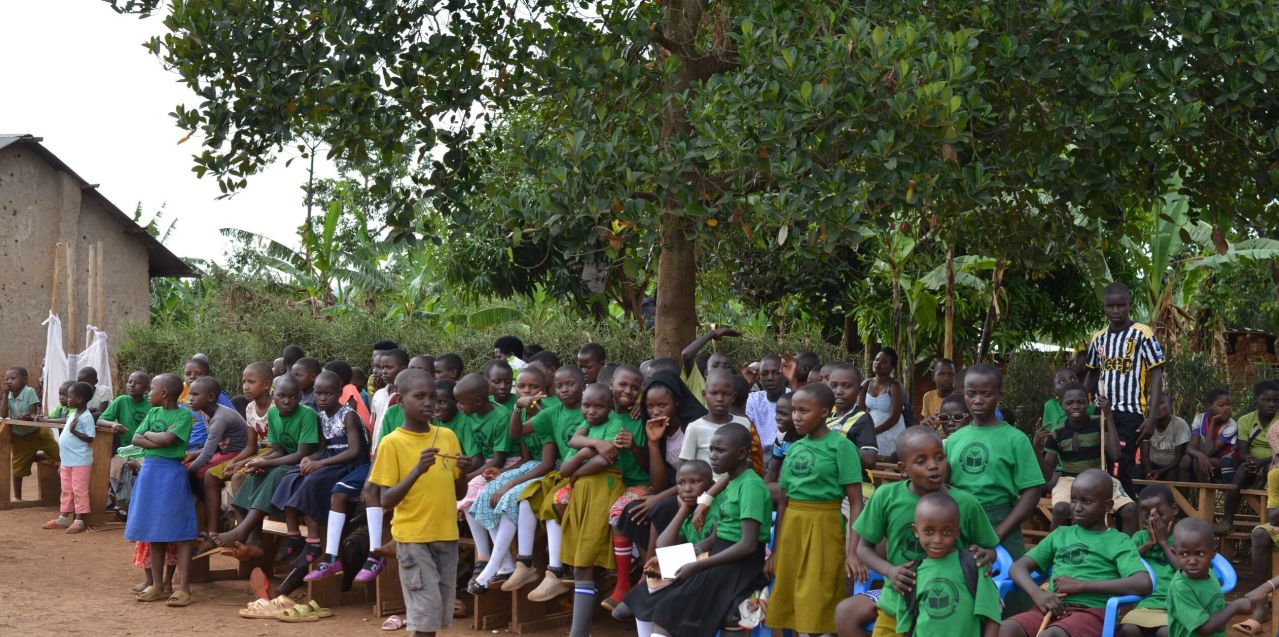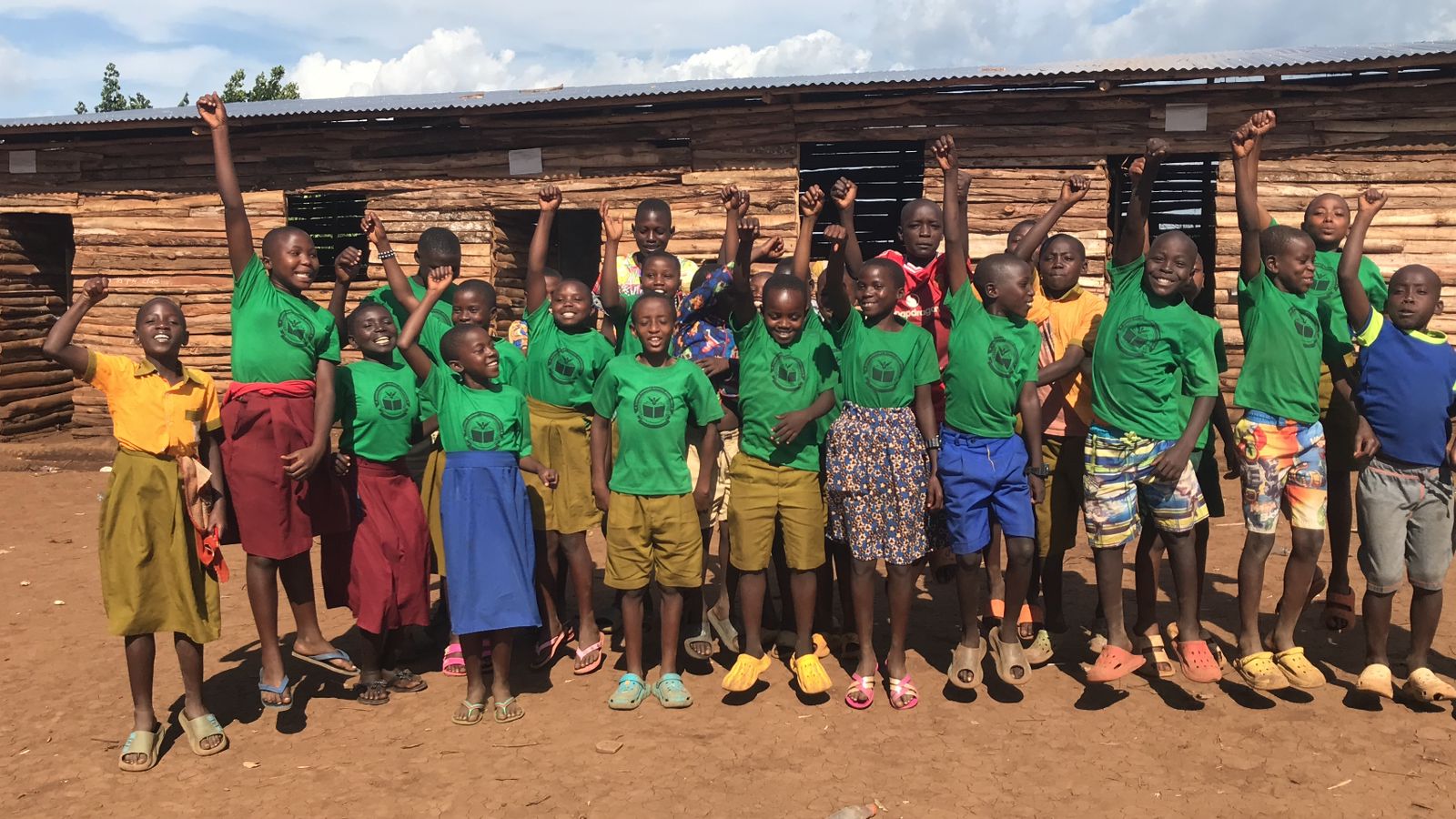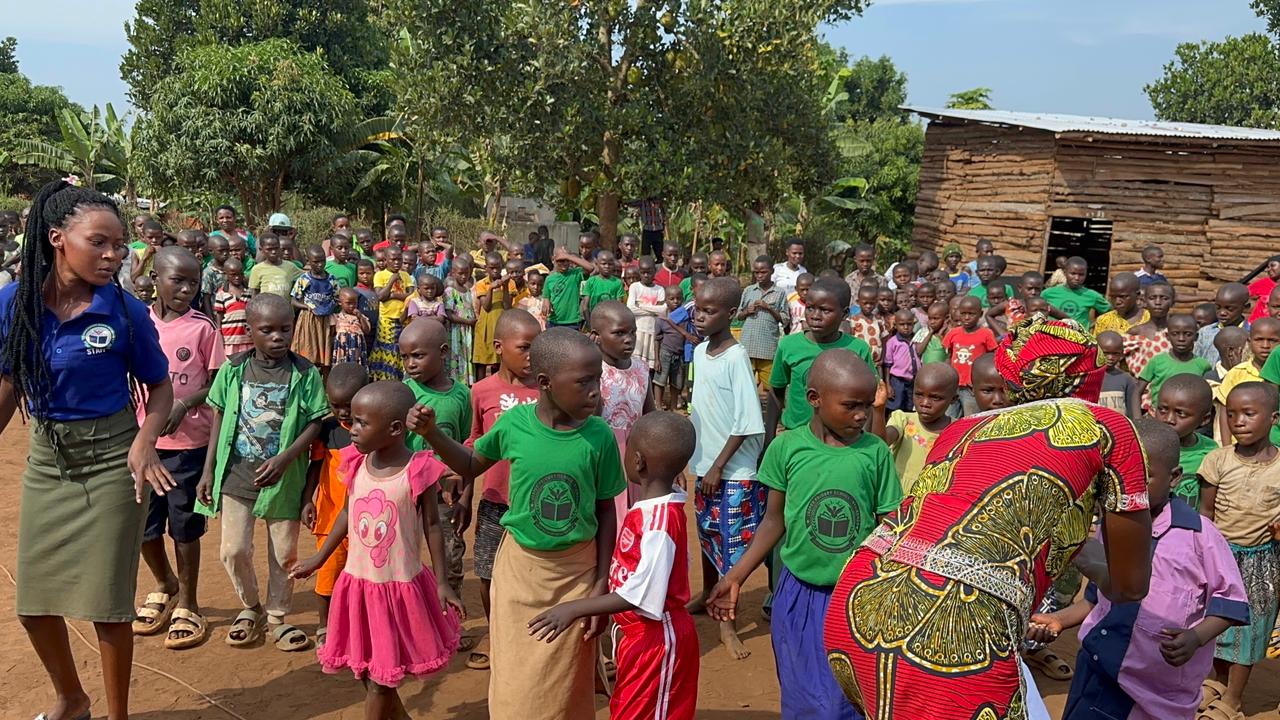
Access to quality education remains a significant challenge for children in rural areas of Uganda, where systemic and socio-economic barriers create a cycle of educational inequity.
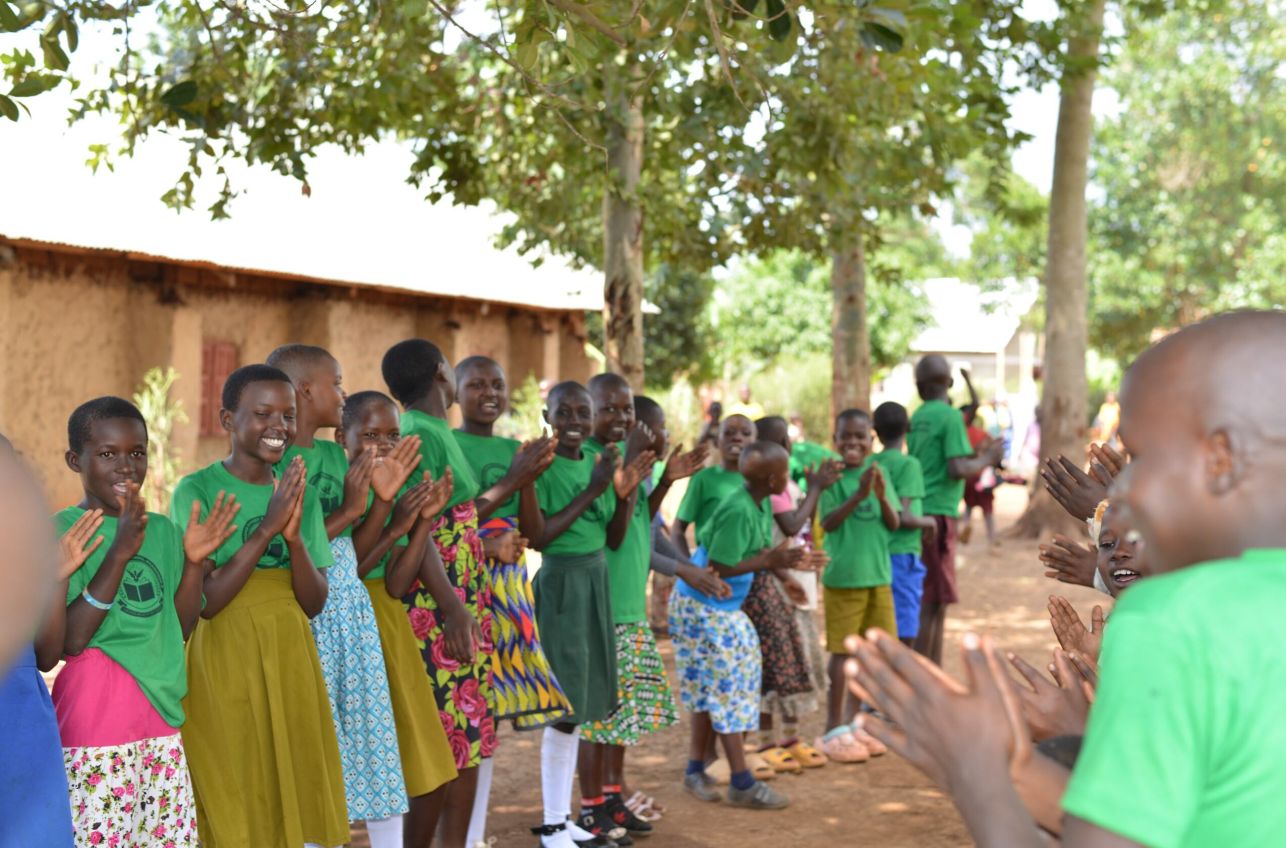
The Challenges
Nyairongo is a rural community whose education system faces the cliche challenges in education that majority of rural Africa faces. Though the challenges faced by children in rural Nyairongo are similar to most rural communities in Africa, they are made unique by their intensity. The challenges are:
Lack of learning materials in schools
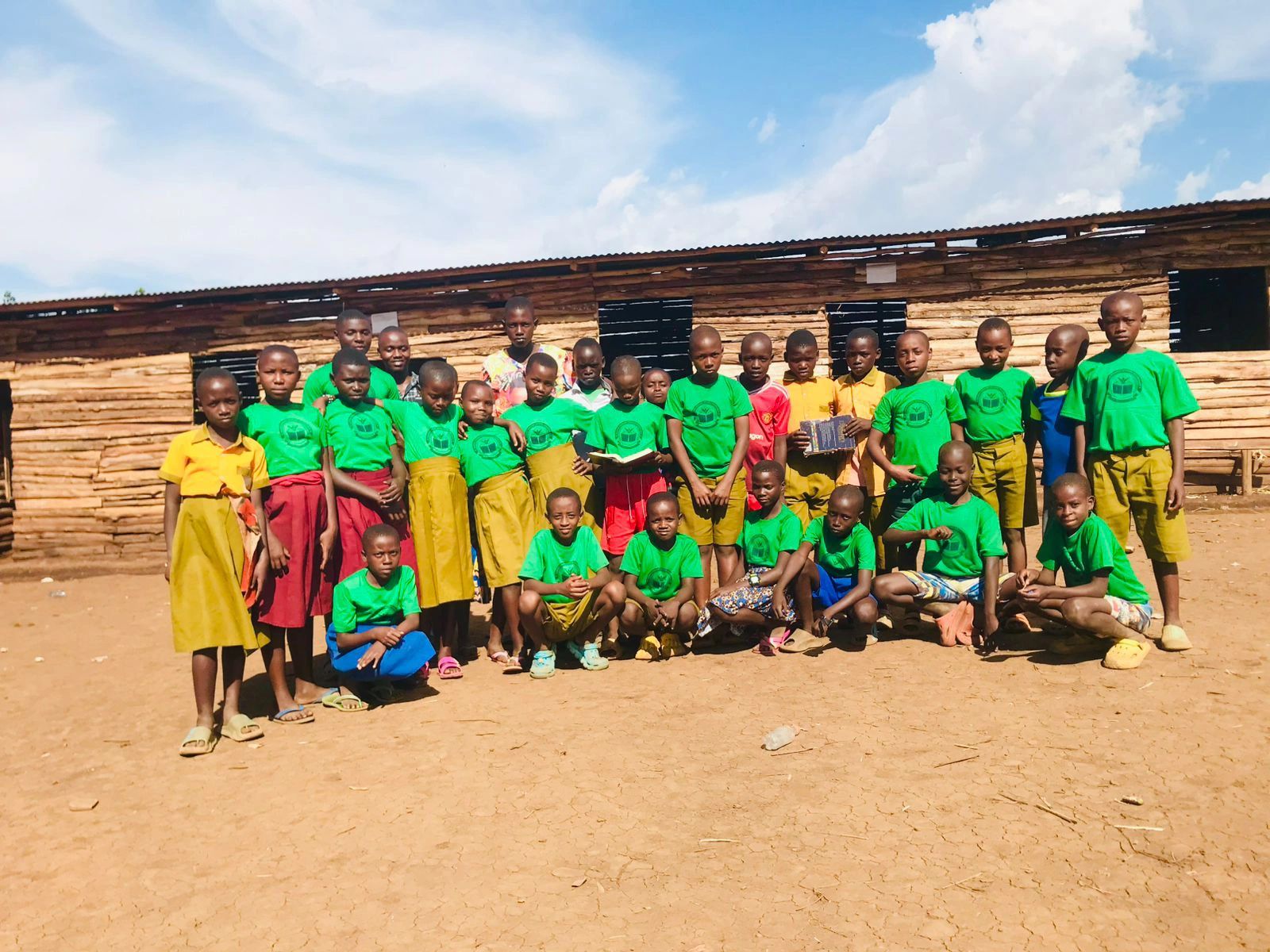
Nyairongo has no learning centre for easy access to learning materials. This shortage deprives students of the tools necessary for effective learning, contributing to a widening gap in educational outcomes between rural and urban students. Further to this, the poor infrastructure of many rural schools with inadequate facilities, including dilapidated buildings and a lack of basic amenities, creates an environment that is not conducive to learning, further discouraging student attendance and engagement.
Accessibility barriers
In addition to these material deficiencies, the inaccessibility of schools poses a major hurdle. Many children in rural areas must travel long distances to reach school, a daily journey that is both physically exhausting and unsafe. This challenge not only limits regular attendance but also negatively impacts students' academic performance and overall well-being.
The teacher shortage
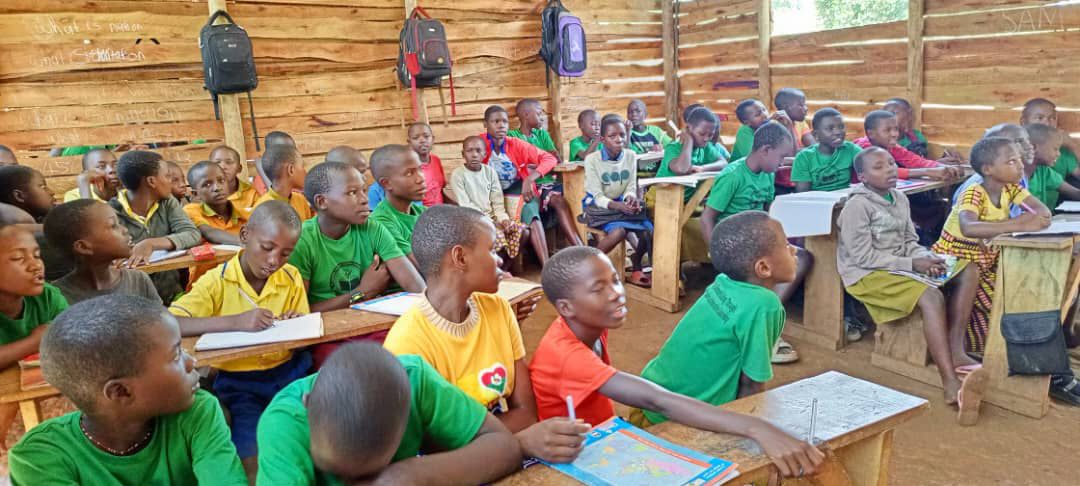
The shortage of qualified teachers in rural areas is another significant barrier. Many educators are reluctant to work in these remote regions due to the lack of amenities and professional opportunities. As a result, students in rural schools often receive a lower quality of education, with larger class sizes and less individualised attention, further exacerbating educational disparities.
The digital divide
Technology barriers also play a critical role in this educational inequity. The lack of access to digital tools and resources in rural areas prevents students from developing the technological skills essential for success in the modern world. This digital divide not only limits their current educational experiences but also hinders their future opportunities in an increasingly technology-driven global economy.
Cultural and economic barriers
In addition, there is a widespread lack of awareness in rural communities about the long-term benefits of education, especially for girls. Cultural norms and gender biases often prioritize short-term economic contributions over schooling, leading to high dropout rates and limiting girls' opportunities to achieve their full potential.
Most households face the challenge of poverty as many families in rural areas depend on seasonal crop farming, which provides an unstable and insufficient income. This economic instability forces families to make difficult choices, often prioritizing immediate survival over long-term educational goals, leading to high dropout rates and perpetuating the cycle of poverty.
Our Solution
Due to these systemic failures in rural education, Jasper Schools Uganda is establishing Jasper Primary School-Nyirongo to transform the educational landscape for children in rural areas.
By addressing the root causes of educational inequity, the school aims to provide a supportive, high-quality learning environment where all students, regardless of their socioeconomic background, can thrive and achieve their full potential.